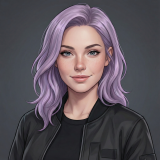
The question keeps coming up in creator communities for good reason — both models have improved enough to be genuinely useful, which makes the choice feel less obvious than it was a year ago. But they’re not equivalent. ChatGPT’s latest image model stays closer to what you asked for when the prompt gets complicated: specific lighting, text overlays, realistic materials, layered scene composition. It degrades more gracefully under pressure.
Gemini is competitive on cleaner inputs — isolated subjects, flat graphic design, quick conceptual sketches. Where it loses ground is density. Stack up multiple specific requirements in one generation and the output drifts from the prompt in ways that require more iteration cycles to fix. For thumbnail ideation or mood board roughing, that’s tolerable. For anything going directly into a production pipeline, the drift adds real friction.
The practical split most creators land on: ChatGPT for anything client-facing or publication-adjacent, Gemini for early visual scratch pads where directional accuracy matters more than pixel precision. Neither replaces source photography or illustrated assets — they’re prompt-to-reference tools, not final-output machines.
The more useful question underneath the comparison is where in your workflow image generation actually belongs. Thumbnails, mood boards, layout mockups, visual briefs — those are real fits. The model race matters far less than having a clear handoff point between AI-generated references and the human production pass that follows them.
Related Posts
- AI Toolchain Governance for Creators: Keep Your Desk Workflow Stable
A practical governance checklist for creators and remote teams using AI tools in daily production workflows.