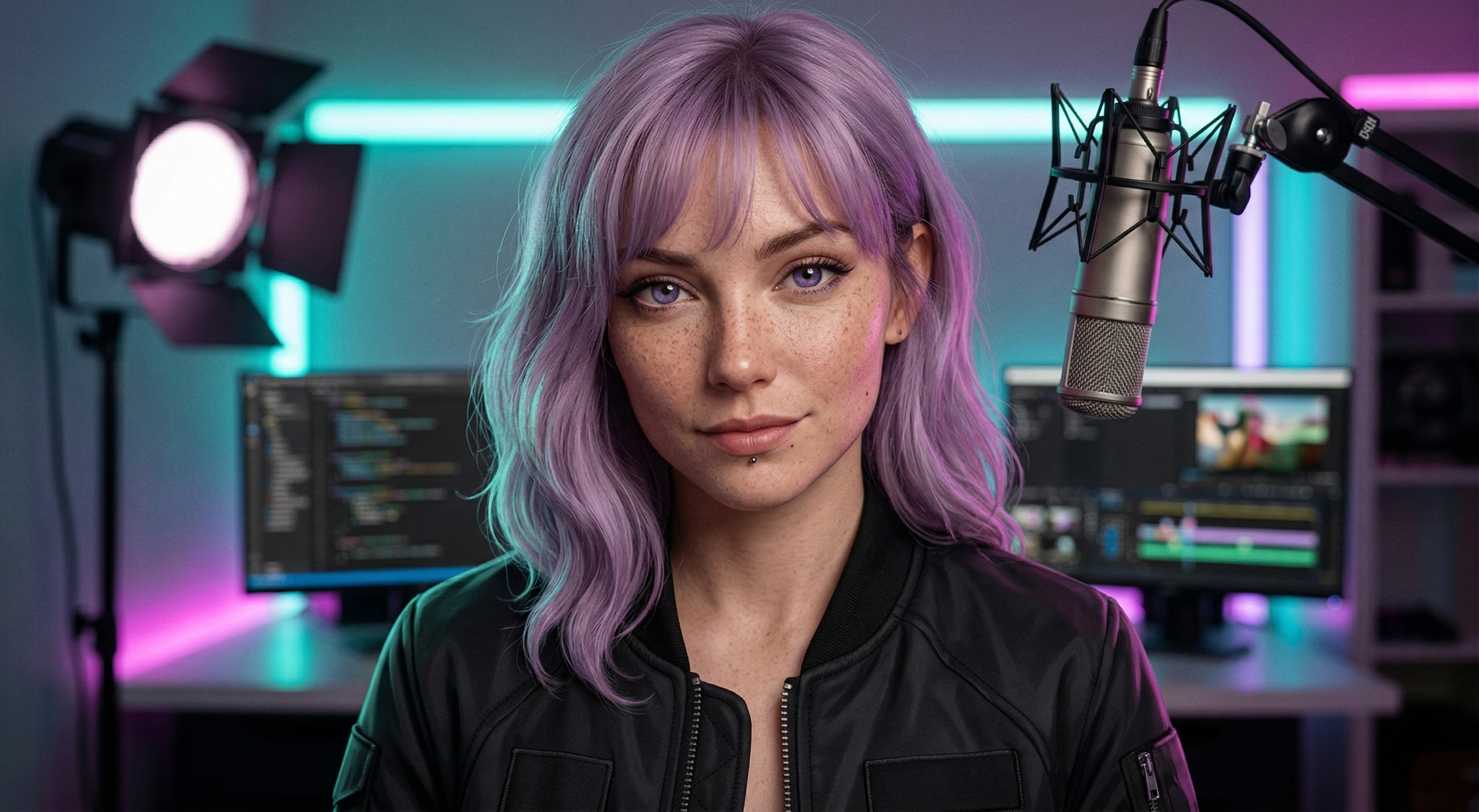
Podcasters record when the house is quiet. That usually means after 10 p.m. The ambient noise floor drops, the kids are down, the HVAC is behaving. The take comes out cleaner. The problem is that the take required an hour of heightened presence — breath control, speaking rhythm, reshooting stumbles — and that attention state does not switch off when you press stop.
Podcasting equipment for light sleepers is about more than mic choice. It is about the whole session-to-sleep transition: what the room sounds like when you stop, what your alertness level is, and what your sleep tools do with the rest of the night.
Why podcasters run late#
The quiet house is the draw. Ambient noise ruins recordings, and late-night recordings are often the cleanest. But the performance state a podcasting session requires — staying present, modulating energy, watching levels — is physiologically activating. You finish a take at midnight still in performance mode.
The edit then extends the session. Checking levels, cutting dead air, adding music — each step keeps you at the desk. By the time you export, it is 1 a.m. and you have been alert and deliberate for two hours past the point where sleep should have started.
The podcasting-specific sleep problems#
Condenser mics require silence you remain alert to. A condenser picks up room tone, HVAC, and floor vibration. Recording with one means your ears are continuously monitoring the room for unwanted sound. That monitoring habit extends beyond the session.
A dynamic mic changes this. Rode PodMic USBAmazon ↗(read review) is a speech-first dynamic with strong off-axis rejection — it ignores most room noise by design. You stop auditing the room and start just speaking. Elgato Wave:3Amazon ↗(read review) is a USB condenser, but with a cardioid pattern that is forgiving enough for treated rooms. Audio-Technica ATR2100x-USBAmazon ↗(read review) runs both USB and XLR, cardioid dynamic — another good rejection option without a separate interface.
Mic boom arms stay in the room. A desk mic on a boom arm is a physical reminder of the studio. If the mic is still in position on the nightstand side of the desk, the room does not stop being a studio. FIFINE Microphone Boom ArmAmazon ↗(read review) and InnoGear Mic Boom ArmAmazon ↗ both fold back against the desk cleanly — use that feature deliberately as part of shutdown.
Post-recording alertness. The take is done but the body is still in performance mode. This is where the sleep-side stack earns its place more than anywhere else in the creator spectrum.
The noise machine#
The irony of podcasting: you spend an hour making the room quiet, then need sound to sleep. A dedicated machine is better than the phone in both jobs.
Most popular, lowest friction:
20 non-looping sounds, 32 volume levels with memory. Brown noise is the default pick for post-recording recovery — lower frequency, less alerting than white noise. USB or AC, sub-$20.
Mechanical fan, no digital samples:
Real fan motor. Non-looping by physics, not software. The right pick for podcasters who have trained their ears to notice audio artifacts — there are none to notice here.
Sound plus warm night light:
Covers both nightstand slots with one device. Warm amber night light plus 30 sounds. The practical option if you want the setup simplified.
The bedside lamp#
Warm output, integrated charging:
Touch-dim in three levels, warm color temperature, USB-C and USB-A plus AC outlet in the base. The lamp and the charger are one device.
Ultra-dim direct access:
Hold the top sensor from off to access minimum brightness without cycling. The right pick if you want the lamp to get out of the way fast at midnight.
The studio accent after shutdown#
Aputure Amaran MC RGBWW Mini On Camera Video LightAmazon ↗(read review) at warm-only is the soft ambient signal that the session is over. When the monitors go off, the boom arm folds back, and this is the only light source, the room stops being a recording environment. That physical transition — studio to dim warm space — is the cue the nervous system needs.
The podcaster’s wind-down#
- Last take done: save the project, fold the boom arm.
- Monitor off. Desk accent warm-only.
- No edit session tonight — schedule it for tomorrow’s fresh ears.
- Noise machine on. Phone on do-not-disturb.
- Warm lamp, 20 minutes, no audio review.
The performance state ends when the mic folds back. Make it a ritual.
For the complete sleep-side gear breakdown, see Creator Sleep Setup: Gear for Light Sleepers Who Work Late. For how the studio and sleep sides of the room fit together, Content Creation Equipment for Light Sleepers covers the full transition.