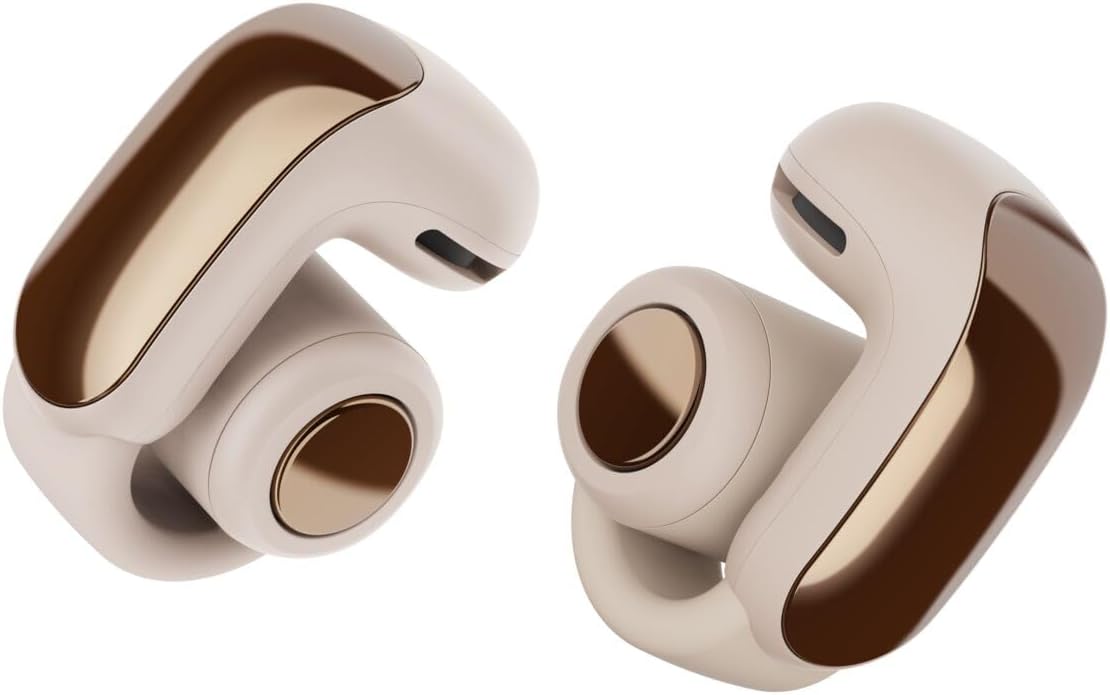
SHOKZ New OpenRun Pro 2 Bone Conduction Headphones
An open-ear headphone that makes the strongest case when you need awareness, all-day comfort, and better-than-expected call quality more than sealed-off immersion.
Check Price on AmazonThis is an affiliate link. As an Amazon Associate I earn from qualifying purchases.
Mira’s Take#
The right question here is not, “Do these sound exactly like traditional over-ear headphones?” It is, “Do they solve the reason someone buys open-ear headphones in the first place without sounding disappointing?”
That is the bar, and the OpenRun Pro 2 looks much closer to clearing it than older bone-conduction gear usually does.
The appeal is obvious if you hate losing situational awareness. Running outdoors, taking calls while moving around, working long shifts where you still need to hear the room, or just listening to podcasts without sealing yourself off from reality. The danger with this category has always been compromised sound and a weird novelty-tax feeling. The reason this model is worth paying attention to is that the buyer feedback suggests SHOKZ improved the weak parts enough to make the trade actually feel rational.
Why Mira Flagged It#
There is meaningful signal in the feature stack:
- Open-ear design that lets you keep awareness of traffic, coworkers, or the general chaos around you.
- A dual-driver approach blending bone conduction with air conduction, which is SHOKZ’s pitch for adding more low-end weight than older open-ear models typically deliver.
- A lightweight wraparound fit aimed at staying planted during running, workouts, and movement-heavy use.
- App-based EQ modes, which is important because audio preferences in this category vary a lot.
- Dual wind-resistant microphones with AI noise reduction, which matters if these are doubling as call gear.
- A 12-hour battery claim and USB-C charging, which pushes them toward real daily-driver territory instead of niche workout-only status.
The reason to flag these is that they appear to be trying to fix the traditional open-ear compromise instead of asking you to simply accept it.
Key Specs#
- Open-ear Bluetooth headphones with SHOKZ bone-conduction design plus air-conduction support.
- Up to 12 hours of battery life.
- App-selectable EQ modes including Classic and Volume Boost.
- Dual wind-resistant microphones with AI noise reduction.
- USB-C charging.
- Sweat-resistant sport-focused design.
What the Real Tradeoff Is#
The tradeoff is immersion versus awareness. That trade has not changed, even if the sound has improved.
These are built for people who actively do not want sealed-off headphones. If you want maximum isolation, thumping bass with no caveats, or the most cinematic music listening experience, you are still looking at the wrong category. What the OpenRun Pro 2 seems to do well is narrow that gap enough that the open-ear choice no longer feels like a punishment.
The second tradeoff is fit and use case. Open-ear headphones are often fantastic when you are moving, working, walking, or calling. They are less magical when you are trying to lie down, lean back hard against a chair, or want something invisible behind the head. Your supplied review set reflects that tension directly: some buyers love the mini sizing and all-day wearability, while others note pressure when reclining or lying down.
What Buyers Seem to Like#
Comfort is one of the loudest positive signals in the reviews you supplied. Multiple buyers describe wearing these for full work shifts, all-day use, or long stretches without really noticing them. That is crucial for this category. Open-ear headphones only make sense if they disappear into your routine more easily than earbuds or heavier over-ears.
Sound quality is the other big surprise factor. Several reviews specifically say the audio is better than expected for bone-conduction-style headphones, especially once the app EQ is involved. The bass-improvement story seems to be landing with buyers who had previously written off this category as all clarity and no body.
Call quality also gets strong praise. One of your supplied reviews is especially emphatic about the microphones holding up in noisy environments, and another points to clear calling in work settings. That matters because these are often bought as “keep moving while staying reachable” headphones, not just as entertainment gear.
Battery and charging feedback also look solid overall. Some buyers describe them as lasting most or all of a day, and USB-C charging earns explicit appreciation, which is fair because proprietary charging has always been a low-grade annoyance in portable gear.
What Buyers Flagged#
The first warning sign is that runtime appears to vary based on how people use them. One buyer calls the battery life epic and all-day; another describes more like six to eight hours under heavy nonstop phone use. That does not necessarily indicate inconsistency so much as a realistic reminder that calls, volume, and mode choices can change the result a lot.
The second is comfort in edge cases. Several buyers find them comfortable for long use, but one specifically says they are not pleasant for lying down because of pressure around the ears and headband shape. That is believable and consistent with the category.
There is also at least one negative international durability review in your set describing failure after a couple of months. That is not enough to treat as the dominant pattern, but it is enough to keep expectations realistic: even when the overall review mix is strong, this is still lightweight wearable hardware, not indestructible field gear.
Best For#
- Runners, walkers, cyclists, and outdoor users who need awareness of their surroundings.
- People taking a lot of calls while moving, commuting, or working on their feet.
- Podcast and audiobook listeners who value comfort and awareness more than maximum isolation.
- Anyone who has disliked the sealed-in feeling of traditional over-ear ANC headphones.
Not Ideal For#
- Buyers who want the strongest possible passive or active isolation.
- People who mainly listen lying down or with their head pressed against a chair or pillow.
- Anyone expecting open-ear headphones to replace premium over-ears for immersive music listening.
Alternatives Worth Considering#
- Bose QuietComfort Headphones if your real priority is deep focus, isolation, and comfort in a more traditional over-ear form.
- Sony WH-1000XM5 if you want stronger ANC and a more classic premium wireless-headphone experience.
- Bose Ultra Open Earbuds if you want open-ear awareness in a different, earbud-style form factor.
Mira’s Verdict#
The OpenRun Pro 2 makes the most sense for someone who already knows why open-ear headphones matter to them and wants that compromise to feel less compromised.
The buyer signal is strong in the places that matter: comfort, awareness, call quality, and better-than-expected sound once the EQ and newer driver setup are doing their part. That does not make these the right headphone for everybody. It makes them a very credible answer for people who are tired of choosing between safety, comfort, and usable audio.
If you want isolation, buy isolation. If you want awareness without giving up too much sound quality, these look like one of the better arguments in the category.
If you need a quieter work-first option instead of open-ear awareness, read the Bose QuietComfort Headphones review and the NBA game breaks at work audio guide.


SHOKZ New OpenRun Pro 2 Bone Conduction Headphones
Open-ear sport headphones that prioritize situational awareness, long-session comfort, and clearer calls over traditional sealed-headphone isolation.
This is an affiliate link. As an Amazon Associate I earn from qualifying purchases.