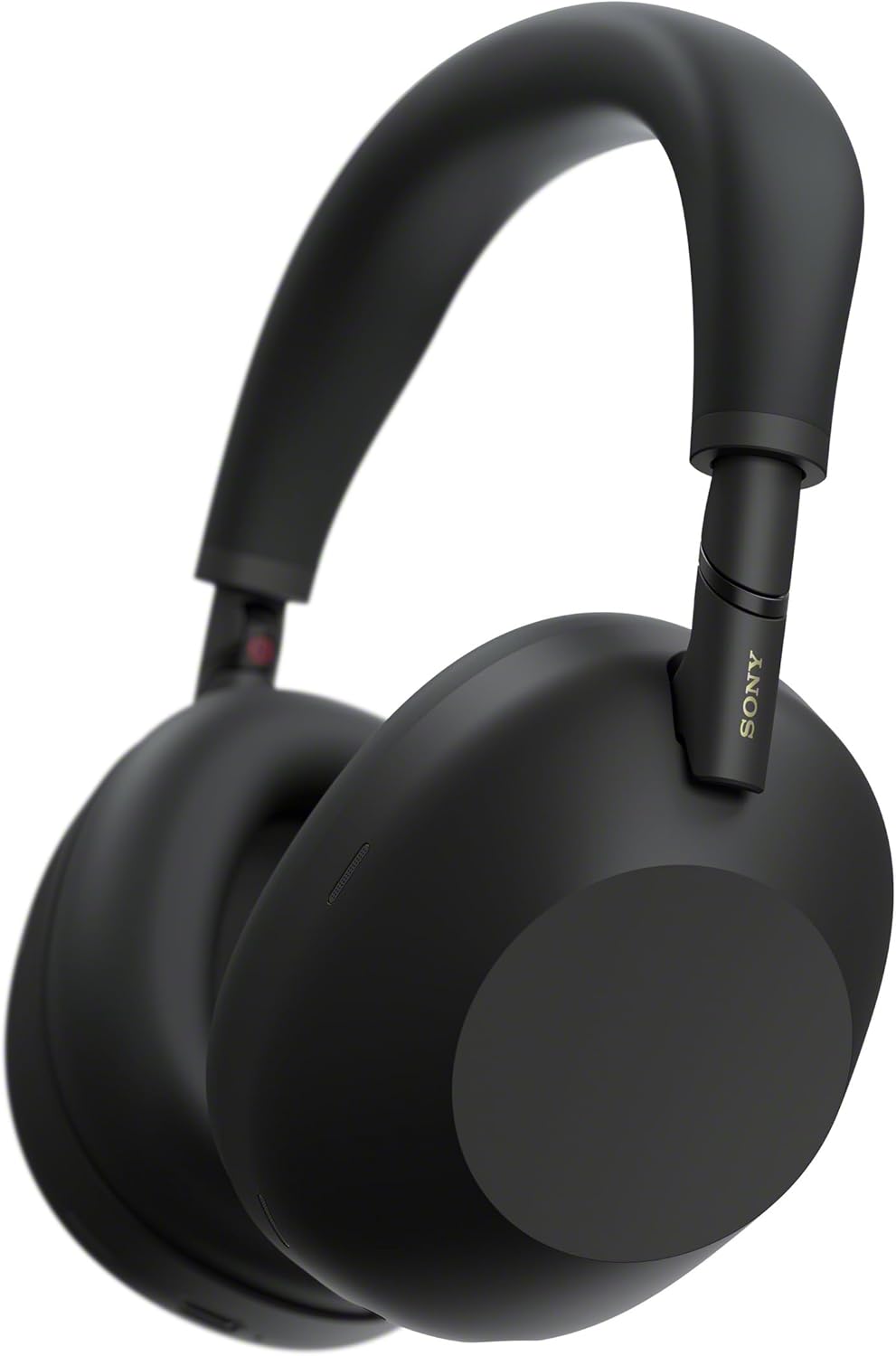
Mira’s Take#
The XM6 is the version of the XM5 Sony should have shipped. It fixes the two things that divided XM5 buyers — earcups that only swivel flat and the relatively narrow headband — while putting meaningfully better ANC hardware inside.
If you’re buying your first flagship ANC headphone or replacing a broken pair, the XM6 is the straightforward answer. If you already own an XM5 in good condition, the calculus is tighter: the improvements are real, but the gap doesn’t justify $150–200 at full retail.
What Changed from the XM5#
The headline upgrade is the processor. The QN3 runs 7x faster than the QN1 in the XM5, and Sony put four additional microphones around it — 12 total versus 8. More sensors, faster processing, tighter real-time adjustment. The result is ANC that buyers consistently describe as a step beyond what the XM5 delivers, particularly on dynamic sounds like voices and irregular ambient noise, not just steady hum.
The foldability is back. The XM5’s earcups only swivel flat, which drew consistent complaints from buyers who travel with headphones daily. The XM6 folds again, with a magnetic-closure hard case that snaps shut one-handed. This alone is a meaningful quality-of-life win for anyone who was frustrated by the XM5 case.
Charge-while-listening is new. The XM5 required the headphones to be off to charge. The XM6 lets you stay connected over Bluetooth or wired while charging via USB-C — useful for desk workers who forget to charge and want to top up mid-session without disconnecting.
The driver changed: carbon fiber dome instead of the XM5’s design. Buyers and audio engineers who worked on the product both describe the sound as more accurate and transparent, particularly in the midrange.
Structural durability improved. The swivel mechanism uses metal on the XM6 versus the XM5’s plastic, which had a known failure point that generated buyer complaints. The XM6 build feels more solid.
What Stayed the Same#
Battery life is identical: 30 hours with ANC on, 3 minutes of charge for 3 hours of playback with a USB-PD adapter. Price tier is the same — $400 MSRP, though buyers report finding these at $250–300 on sale.
The touch controls on the right earcup carry over. Some buyers prefer physical buttons; the touch surface occasionally misreads gestures. This is a known Sony design preference, not a defect.
The Speak-to-Chat feature behaves the same way it did on the XM5 — pauses music when you start talking, and triggers on coughs and nearby conversations. Turn it off in the app if the sensitivity bothers you.
What Buyers Flag#
Earcup fit. A meaningful number of buyers note the earcup opening is smaller than expected for an “over-ear” headphone — ears sit against the cushion rather than fully inside the cup. This doesn’t affect ANC, but it affects long-session comfort for people with larger ears. Buyers who compare directly to Bose QuietComfort consistently give the edge to Bose on pure earcup comfort.
Clamping force. The XM6 clamps more firmly than the XM5. Most buyers report this loosens over time, and the wider headband distributes pressure more evenly than the XM5’s design. For eyeglass wearers, the clamp is worth testing in-store before ordering.
DSEE Extreme crackling. At high volumes, the DSEE Extreme audio upscaling feature causes intermittent crackling in some units. Fix: disable DSEE Extreme in the Sony Headphones Connect app. Multiple buyers confirmed this resolves it. Leave it off unless you have a specific reason to use audio upscaling.
Heat and moisture. Synthetic leather earcups seal well for ANC but trap heat during active use or long sessions in warm environments. Not a problem for desk use; worth knowing if you plan to wear these outdoors or during light exercise.
What Buyers Tend to Like#
The ANC ceiling is the consistent standout. Buyers who have owned multiple flagship headphones — AirPods Max, Bose QC Ultra, older Sony models — place the XM6 at the top of the stack for active noise cancellation. Leaf blowers, window AC units, running vacuums, airplane cabin noise: the consensus is that the XM6 eliminates more of it than the competition.
The app is deeper than Bose’s offering. Ten-band EQ (Bose offers three bands), Speak-to-Chat, head nod call accept/reject, 360 Reality Audio, customizable touch control shortcuts. If you want to tune the experience, the Sony Headphones Connect app gives you the tools.
Sound quality, particularly after EQ adjustment, earns consistent praise. The carbon fiber driver produces a cleaner midrange than the XM5, and the bass is controlled rather than emphasized. Buyers describe it as accurate rather than fun-sounding, which is the correct call for a headphone marketed partly on mastering engineer involvement.
Battery behavior in real-world use matches the spec. The 30-hour claim holds up, and buyers describe the quick-charge feature as practical — 10–15 minutes on the charger recovers enough for most remaining sessions.
Best For#
- Anyone buying flagship ANC headphones for the first time.
- XM4 or older Sony owners — meaningful upgrade on all fronts.
- Frequent travelers who found the XM5’s case too bulky.
- Remote workers on heavy call schedules who need both strong ANC and call clarity.
- Desk workers who want to charge without disconnecting.
Not Ideal For#
- XM5 owners whose headphones still work and who aren’t on a tight call-quality budget — wait for a sale.
- Buyers who prioritize maximum all-day wearing comfort over ANC ceiling (the Bose QuietComfort fit edges these for long sessions).
- Sports or active use — the synthetic leather earcups get sweaty and the build isn’t rated for it.
Alternatives Worth Considering#
- Sony WH-1000XM5 if you find it discounted — now that the XM6 is out, the XM5 will drop in price and the ANC gap is smaller than the price difference usually suggests.
- Bose QuietComfort if all-day comfort matters more than ANC ceiling — particularly for buyers who wear headphones six or more hours daily or have larger ears.
- Soundcore Space One Pro if you want ANC at roughly half the price and can accept a meaningful step down in refinement.
Mira’s Verdict#
The XM6 earns its place as the ANC reference at this tier. The QN3 processor and 12-microphone array push noise cancellation past what the XM5 could do, and Sony fixed the two design complaints that most divided XM5 buyers: the headphones fold again, and the wider headband distributes pressure better over long sessions.
The honest upgrade calculus: if you own a working XM5, wait for the XM6 to go on sale around $280 or below, or buy the XM5 while it’s discounted now that the XM6 is the current model. If you’re starting fresh, the XM6 is the straightforward choice at this tier.
Check the DSEE Extreme note above before you start using them.
// Frequently Asked Questions
Is the Sony WH-1000XM6 worth upgrading from the XM5?
For most XM5 owners in good condition: no at full price. The ANC improvement is real, foldability is back, and charge-while-listening is a genuine quality-of-life upgrade — but the gap doesn't justify $150–200 if your XM5 still works. If you catch the XM6 under $280, or your XM5 needs replacement anyway, yes.
What actually changed from the XM5 to the XM6?
The XM6 adds the QN3 processor (7x faster than the QN1 in the XM5), 12 microphones instead of 8, a foldable design with magnetic case, charge-while-listening over USB-C, a wider asymmetrical headband, and a carbon fiber dome driver. The XM5's earcups only swivel flat; folding inward is back on the XM6.
How does the Sony WH-1000XM6 compare to Bose QuietComfort Ultra 2?
XM6 wins on ANC ceiling and app customization (10-band EQ, Speak-to-Chat, head nod call controls). Bose wins on all-day comfort — particularly earcup fit for people with larger ears. If blocking noise is the priority, XM6. If you wear headphones for six-plus hours daily, test both earcup sizes before committing.
Is there a known bug with the Sony XM6?
Yes — DSEE Extreme (Sony's audio upscaling feature) causes crackling at high volumes in some units. The fix is to turn off DSEE Extreme in the Sony Headphones Connect app. Multiple buyers confirmed this resolves it entirely.
Referenced In Ask Mira
- Sony WH-1000XM6 vs Bose QuietComfort Ultra 2 — Which Should You Buy?
Sony for maximum ANC and LDAC. Bose for all-day comfort and Immersive Audio. Both are the right answer depending on what you're optimizing for.
- Sony WH-1000XM6 vs XM5 — Is It Worth Upgrading?
If you're starting fresh, buy the XM6. If you already own a working XM5, wait for the XM6 under $280.
- Do I actually need AirPods Max, or do Bose or Sony work just as well in the Apple ecosystem?
AirPods Max wins on Apple-specific polish — instant multi-device handoff, lossless audio over USB-C, tight Siri integration.